
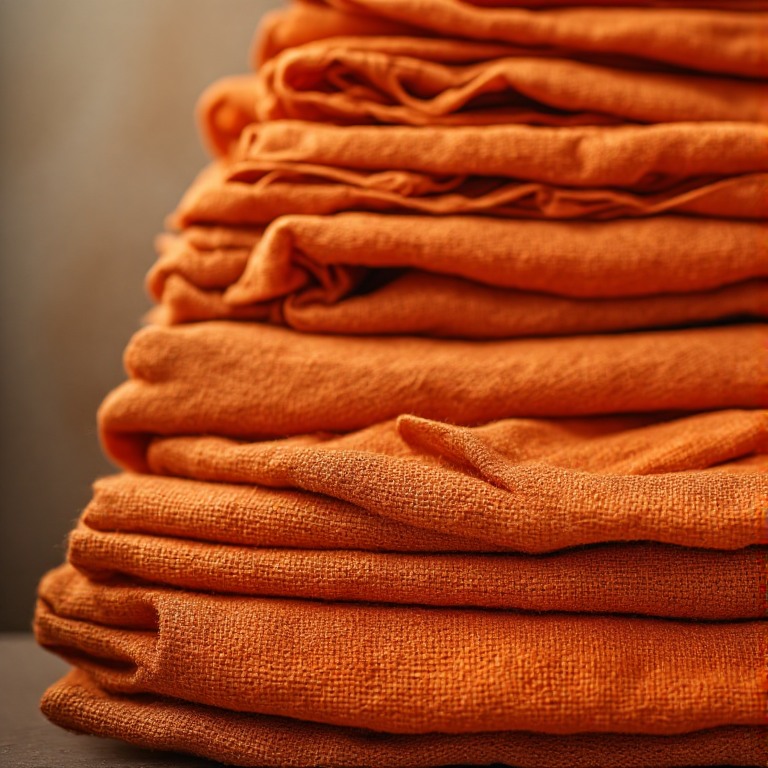
India’s Textile Industry
India’s textile industry is one of the oldest and most important sectors of the country’s economy. With a history stretching back thousands of years, it combines traditional craftsmanship with modern manufacturing to serve both domestic and international markets. Today, India is among the world’s largest producers of textiles and apparel, supplying everything from cotton fabrics and silk garments to technical textiles used in healthcare, construction, and the automotive industry.
A Rich History
Textile production has been a part of Indian civilization since the Indus Valley Civilization, where archaeological discoveries revealed evidence of cotton cultivation and weaving. Over the centuries, Indian textiles such as muslin, silk, chintz, and handwoven cotton became highly valued around the world. Trade routes carried Indian fabrics across Asia, the Middle East, Europe, and Africa, establishing the country as a global center of textile craftsmanship.
Traditional weaving techniques, embroidery, and dyeing methods remain an important part of India’s cultural heritage. Handloom products from regions such as Varanasi, Kanchipuram, Kashmir, and Gujarat continue to be recognized for their quality and artistic value.
Industry Overview
The Indian textile industry is one of the country’s largest employers, providing jobs for millions of people across farming, spinning, weaving, garment manufacturing, and retail. It contributes significantly to India’s industrial production, exports, and economic growth.
The industry includes several major segments:
- Cotton textiles
- Silk production
- Woolen textiles
- Jute products
- Synthetic and man-made fibers
- Handloom and handicraft textiles
- Technical textiles for industrial and medical applications
India is among the world’s leading producers of cotton and has developed an extensive supply chain that spans from raw fiber production to finished garments.
Manufacturing Centers
Textile manufacturing is spread throughout India, with different regions specializing in various products.
Gujarat is known for cotton production, spinning, and fabric processing. Tamil Nadu has a strong textile manufacturing base with thousands of spinning mills. Maharashtra is home to major garment manufacturers and textile businesses, while Punjab is known for woolen products and knitwear. West Bengal remains an important producer of jute, and Karnataka has established itself as a center for silk production.
Together, these regions support a diverse and resilient manufacturing ecosystem.
Exports and Global Trade
India exports textiles and apparel to markets around the world, including the United States, the European Union, the Middle East, Africa, and Southeast Asia. Export products include ready-made garments, cotton yarn, home furnishings, carpets, technical textiles, and fashion accessories.
Indian manufacturers compete internationally by offering a combination of skilled labor, competitive production costs, high-quality natural fibers, and extensive manufacturing capacity.
Sustainability and Innovation
Sustainability has become an increasingly important focus for the Indian textile industry. Manufacturers are investing in water-efficient dyeing technologies, renewable energy, waste reduction, and recycling programs. Organic cotton production has also expanded, helping meet global demand for environmentally responsible textiles.
Innovation is transforming the industry through automation, digital printing, artificial intelligence, and advanced textile engineering. Technical textiles—including medical fabrics, geotextiles, fire-resistant materials, and protective clothing—represent one of the fastest-growing segments of the market.
Challenges
Despite its strengths, the industry faces several challenges. Rising raw material costs, global competition, changing consumer preferences, supply chain disruptions, and environmental regulations require continuous adaptation. Small and medium-sized enterprises must also invest in modern equipment and workforce training to remain competitive.
The industry is working to improve productivity while maintaining the craftsmanship and quality that have long defined Indian textiles.
Future Outlook
India’s textile sector is expected to continue growing as global demand for apparel, home furnishings, and technical textiles increases. Government initiatives supporting manufacturing, infrastructure, exports, and sustainable production are helping attract new investment.
Advances in technology, expanded export opportunities, and growing interest in ethically produced textiles position India to strengthen its role as a leading global textile manufacturing hub.
Conclusion
The textile industry remains one of India’s most significant economic sectors, blending centuries of tradition with modern innovation. From handwoven silk and cotton to advanced technical fabrics, Indian textiles continue to serve customers around the world. As the industry embraces sustainability, digital technologies, and high-value manufacturing, it is well positioned for continued growth and international success in the decades ahead.
Leave a Reply